Some links on this page are affiliate links, which means we may earn a small commission at no additional cost to you. We only recommend products we genuinely use or would recommend for a workshop.
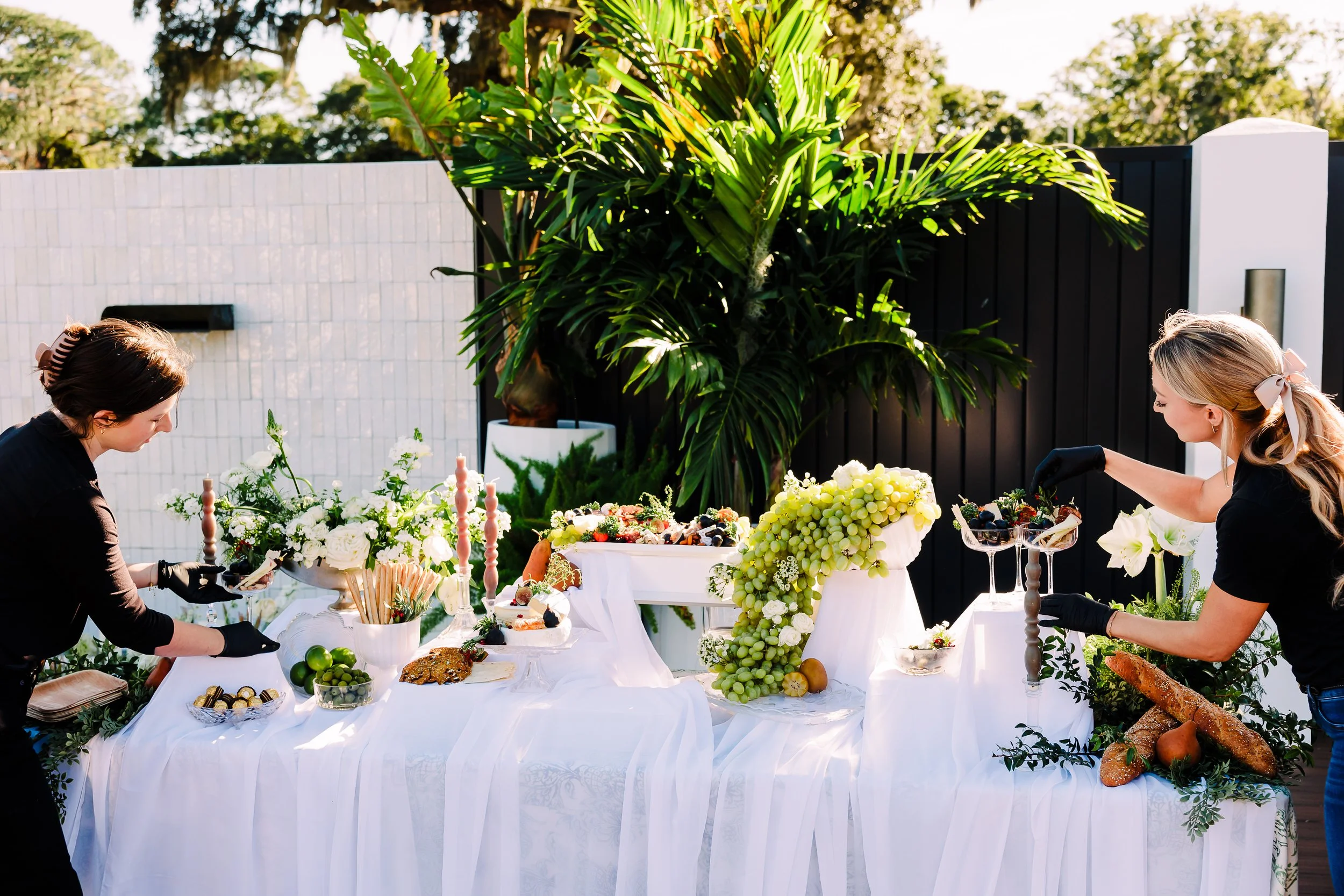
After our first successful year in the charcuterie catering world, we were on a high. We had put ourselves out there, worked hard, and we were reaping the benefits.
While everything was going well, we were still a new business and needed a way to diversify and get our brand into the community. We were encouraged by several business connections to consider developing a workshop.

Long story short, we did! And we are so glad because workshops have been such an incredible addition to our business. Workshops have helped us:
increase profits
diversify our portfolio
meet people in our community
further our brand’s reach
generate leads
market our offerings
But how did we start? Starting is certainly one of the hardest parts, and a place we were stuck for several months because the whole idea seemed overwhelming. But once we made a plan for how to execute these workshops, we were able to get started and complete one step at at a time.
Develop Your Script & Sequence
For us, the starting point was deciding what we wanted to teach, what we wanted to say, and the sequence of demonstration.
We wrote down a physical timeline and script of exactly how the workshop would go.
Over time we have tweaked it, but we still use a script to this day.
Choose Ingredients
We wanted to teach specific techniques and designs so everyone received the same products in an organized way. This is one way to do it, you could also make it more organic and broad and let participants choose their own ingredients.
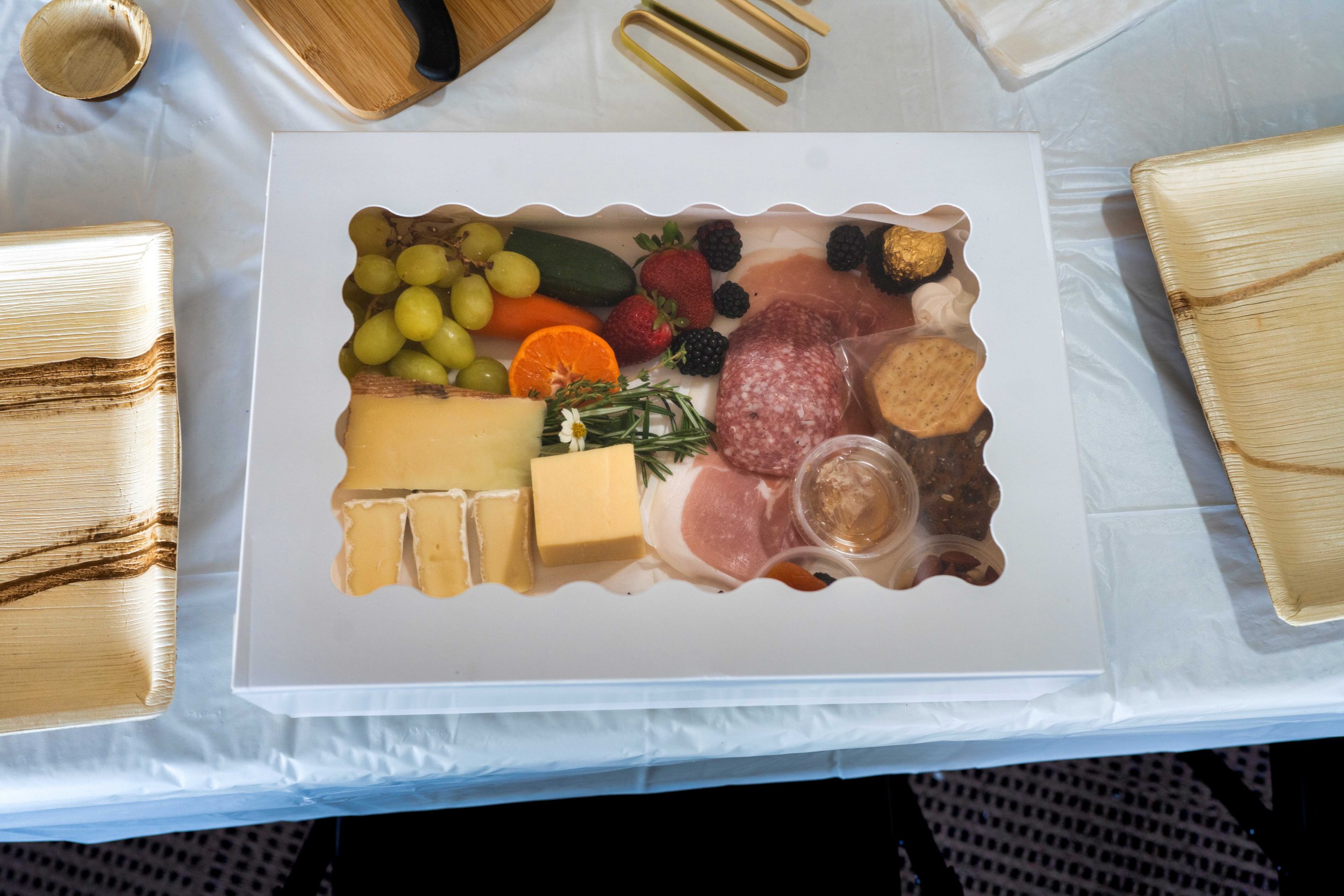
Since we were being more specific, we made a practice board with the ingredients and designs that we would teach, and made note of the quantity of items so that we could write that down and have a general formula for each attendee. This also helped us see what equipment we would need like cutting boards, knives, napkins, etc.
Keep track of the price here, too, for pricing your workshop.
Practice
We roped some of our friends and family into a practice workshop. I cannot recommend this enough! It is an investment of money and time on your part, but this was what helped us see the areas that needed improvement. It gave us confidence to for our paying customers.
Find A Venue
This can be a challenge, but the best thing you can do it just ask. Find a place like a brewery, a small event venue, or even a restaurant that has a small private area.
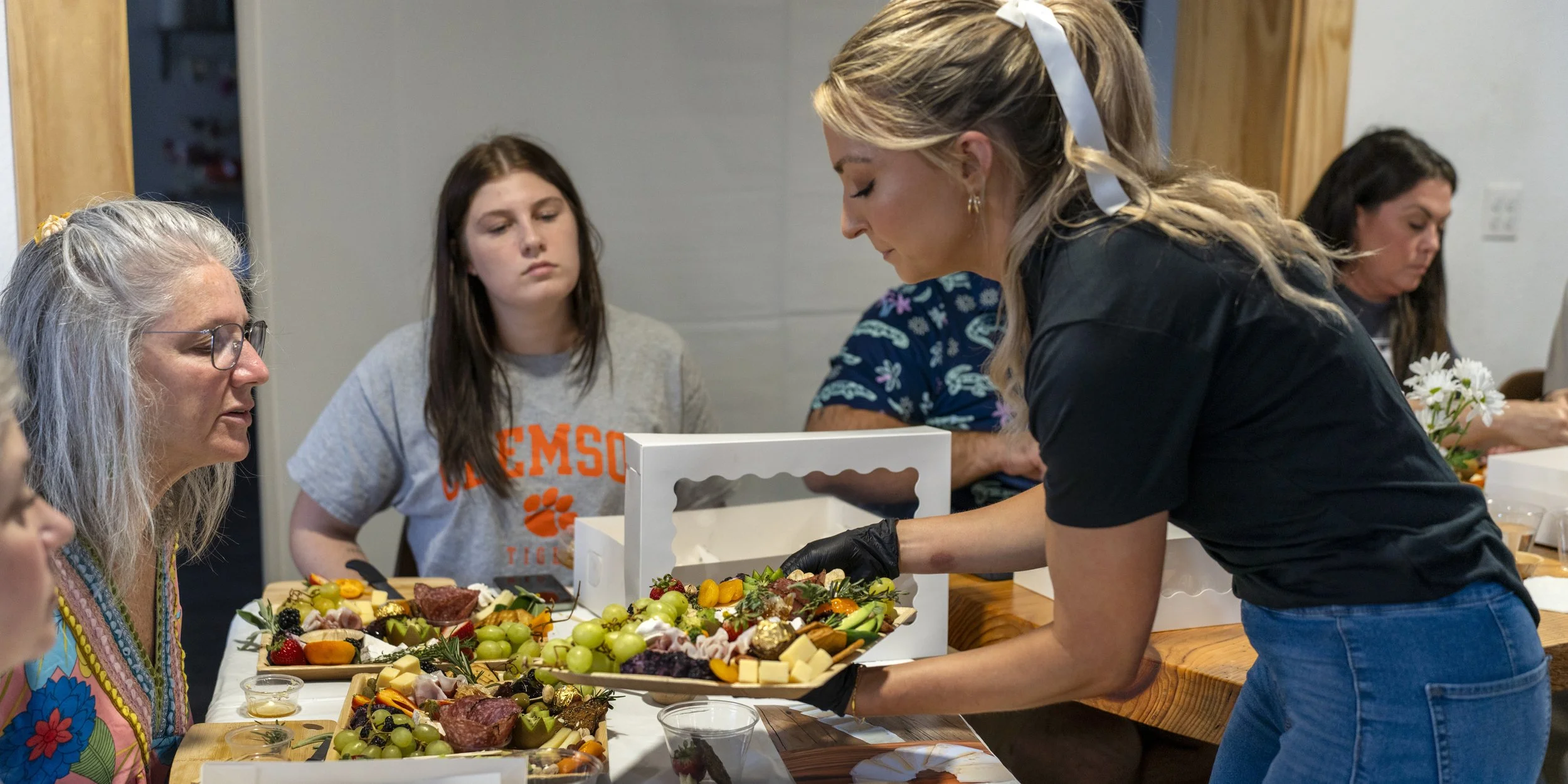
We started at a brewery. We had an initial meeting with the owner and discussed the different aspects like rent, pricing, etc. We had a small area and normally only had around 8 participants, but it was an incredible start!
Advertise
Getting people in the door can be one of the hardest parts. We found success advertising on our local Facebook pages, and also having a flier up at the event space.
Theses are just some high points, but we go much more in to depth in our e-book: Charcuterie Board Workshop: A How-To Guide, which goes through how to create a workshop from start to finish. This guide includes pricing, marketing, and our actual materials and scripts we use at every workshop.
In the end, adding workshops into your business is a wonderful way to interact with the community, have fun, and reach potential clients.
If you’d like to see a list of our essential equipment, check it out here: Charcuterie Board Workshop Equipment.